
📅 Seasonal Garden Planning Throughout the Year
Successful gardening requires understanding and working with natural seasonal rhythms rather than fighting against them. Each season brings unique opportunities and challenges, and strategic planning allows you to maximize harvests, maintain soil health, and enjoy productive gardens year-round regardless of your climate zone.
This comprehensive seasonal guide provides month-by-month tasks, planting schedules for different regions, crop rotation strategies, and techniques for extending growing seasons in both spring and fall. Whether you experience four distinct seasons or more subtle shifts, these principles will help you plan and maintain a thriving garden throughout the entire year.
Understanding Your Climate Zone and Frost Dates
Before planning seasonal activities, identify your USDA hardiness zone and local frost dates. Your hardiness zone, determined by average annual minimum temperatures, indicates which perennial plants survive winters in your area. However, for annual vegetable gardening, frost dates matter more than hardiness zones.
The last spring frost date indicates when it's safe to plant frost-sensitive crops like tomatoes, peppers, squash, and beans outdoors. The first fall frost date tells you when to expect killing frosts that end most tender plants' growing season. These dates vary significantly even within the same hardiness zone based on microclimates, elevation, proximity to water bodies, and urban heat effects.
Contact your local cooperative extension office for accurate frost date information specific to your location, or use online calculators that provide estimates based on historical weather data. Remember that these are averages, not guarantees. Actual frost dates can vary by two weeks or more from year to year.
Spring Garden Planning and Tasks
Spring is the busiest season for most gardeners, filled with preparation, planting, and anticipation. Success in spring sets the foundation for the entire growing season, making early planning and timely execution crucial.
Early Spring (6-8 weeks before last frost): As soil becomes workable, begin preparing garden beds. Remove winter mulch and debris. Test soil and amend based on results, incorporating compost, lime, or sulfur as needed. Early spring is ideal for planting bare-root trees, shrubs, and perennials before they break dormancy.
Direct-seed cold-hardy vegetables like peas, spinach, lettuce, arugula, radishes, and carrots as soon as you can work the soil. These crops tolerate cool temperatures and light frosts, giving you early harvests before warm-season crops even go in the ground.
Start seeds indoors for warm-season crops that need 6-8 weeks of growth before transplanting. Tomatoes, peppers, eggplants, and herbs started now will be ready to plant outdoors after the last frost date.
Mid Spring (2-4 weeks before last frost): Continue succession planting cool-season crops every two weeks for continuous harvests. Plant potatoes, onion sets, and asparagus crowns. Transplant hardy seedlings like broccoli, cabbage, and cauliflower that tolerate light frosts.
Prepare supports and trellises for vining crops before planting, which is much easier than installing them after plants are established. Apply organic mulch around perennials and spring-planted trees to conserve moisture and suppress weeds.
Late Spring (after last frost): This is prime planting time for warm-season vegetables. Transplant tomatoes, peppers, eggplants, and herb seedlings once soil temperatures reach 60°F and nighttime temperatures stay consistently above 50°F.
Direct-seed beans, cucumbers, squash, melons, and corn once soil warms to at least 60°F. Cold soil causes poor germination and increases disease susceptibility. Wait until soil reaches 70°F for best results with heat-loving crops like okra, melons, and lima beans.
Thin seedlings of direct-seeded crops to proper spacing. While it seems wasteful to remove healthy seedlings, overcrowding severely reduces yields and increases disease pressure. Use thinned greens and herbs in salads.
Summer Garden Maintenance
Summer transitions from planting to maintenance and harvest. Consistent care during hot months determines whether plants thrive or merely survive until fall.
Early Summer: Mulch all bare soil around plants with organic materials like straw, shredded leaves, or grass clippings. Mulch regulates soil temperature, conserves moisture, suppresses weeds, and feeds soil as it breaks down. Apply 2-4 inches of mulch, keeping it several inches away from plant stems.
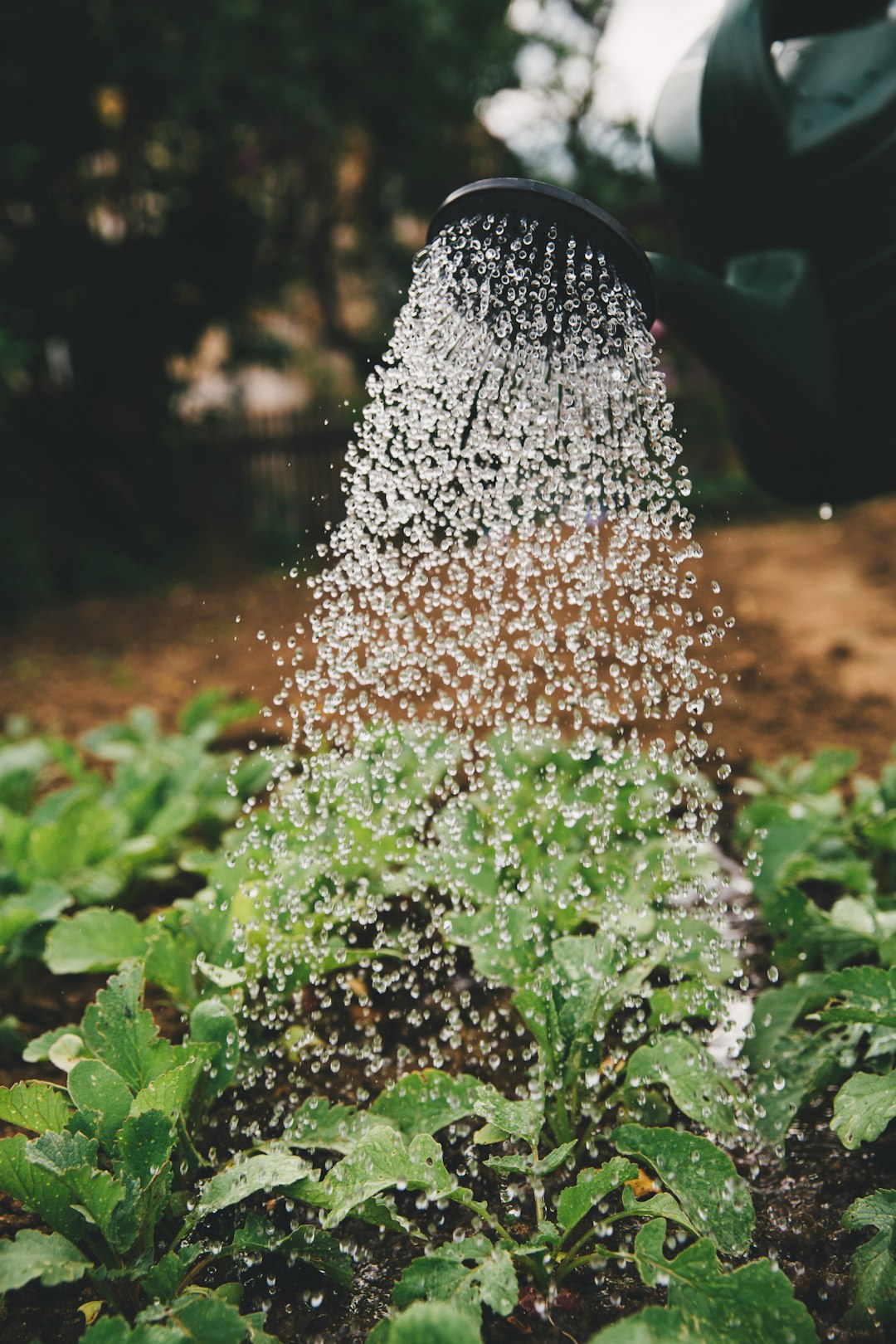
Water deeply and less frequently rather than shallow daily watering. Deep watering encourages deep root growth, making plants more drought-tolerant. Most vegetables need 1-2 inches of water weekly. Water in early morning to reduce disease pressure and water loss from evaporation.
Monitor plants regularly for pest and disease problems. Early detection makes management much easier and more effective. Remove diseased leaves and plants promptly to prevent spread.
Begin harvesting early crops like lettuce, radishes, peas, and spinach. Regular harvesting of beans, cucumbers, and squash encourages continued production, while allowing fruits to overripen signals the plant to stop producing.
Midsummer: Cool-season crops that haven't bolted in heat should be removed and replaced with heat-tolerant plants or second plantings of warm-season crops. In hot climates, midsummer is often too hot for planting most vegetables.
Continue succession planting beans, cucumbers, and squash for continuous harvests. Side-dress heavy feeders like tomatoes and squash with compost or organic fertilizer to support their ongoing production.
Prune tomatoes by removing suckers and lower leaves to improve air circulation and direct energy to fruit production. Pinch back herbs like basil to encourage bushier growth and prevent flowering.
Late Summer: Plan and prepare for fall gardens. In many climates, late summer provides ideal conditions for planting cool-season crops for fall harvest. Calculate planting dates by counting backwards from your first fall frost date, adding the crop's days to maturity plus two weeks to account for shorter day length and cooler temperatures.
Direct-seed lettuce, spinach, arugula, radishes, turnips, and Asian greens. Transplant broccoli, cabbage, cauliflower, and kale seedlings. These crops thrive in cooling fall temperatures and taste sweeter after light frost exposure.
Continue harvesting summer crops at their peak. Can, freeze, or preserve excess produce for winter use. Allow some herbs to flower for beneficial insects and seed saving.
Fall Garden Activities
Fall offers some of the best gardening conditions with cooler temperatures, fewer pests, and often more consistent rainfall. Proper fall care prepares your garden for winter while extending harvests well into cold weather.
Early Fall: Continue harvesting summer vegetables until frost threatens. Pick all ripe and nearly-ripe fruits before the first frost, as frost damages tender crops like tomatoes, peppers, and squash.
Plant garlic cloves in mid to late fall for harvest the following summer. Garlic needs cold dormancy to form proper bulbs, making fall planting essential. Mulch garlic beds heavily after planting.
Divide and transplant perennials that have become overcrowded. Fall planting allows roots to establish before winter dormancy, resulting in stronger growth the following spring.
Mid Fall: Harvest root vegetables like carrots, beets, and turnips. Many root crops store well in the ground under heavy mulch, allowing extended harvest periods. In mild climates, some remain harvestable all winter.
Plant cover crops like winter rye, hairy vetch, or crimson clover in vacant beds to prevent erosion, suppress weeds, and add organic matter and nutrients when turned under in spring. Cover crops are particularly valuable for improving soil in new garden areas.
Collect and shred fallen leaves for compost or winter mulch. Leaves are abundant, free organic matter perfect for building soil health. Shred them with a lawn mower before adding to compost to accelerate decomposition.
Late Fall: After hard frosts kill tender plants, remove spent annuals and add disease-free plant material to compost. Leave roots in place when possible to minimize soil disturbance and provide organic matter as they decompose.
Mulch perennial beds, strawberries, and fall-planted garlic heavily once the ground freezes. Winter mulch prevents freeze-thaw cycles that heave plants from the soil and damage roots.
Clean and store garden tools, stakes, and trellises. Sharpen pruning tools and oil metal parts to prevent rust. Drain hoses and irrigation systems to prevent freeze damage.
Take soil samples and submit for testing before ground freezes. Fall testing allows time to order amendments and plan for spring application.
Winter Garden Preparation and Planning
While winter is the quietest garden season in cold climates, it's ideal for planning, maintaining equipment, and preparing for the upcoming growing season.
Early Winter: In mild climates, continue harvesting hardy vegetables like kale, collards, Brussels sprouts, and winter squash that store well. Many brassicas taste sweeter after frost exposure as they convert starches to sugars for freeze protection.
Review the past season while details remain fresh. Note what worked well, what failed, pest and disease problems, and varieties that excelled or disappointed. This information guides improvements for next season.
Order seed catalogs and begin planning next year's garden. Research new varieties and techniques you want to try. Draw garden maps showing crop rotation plans that move plant families to different beds each year.
Midwinter: Order seeds early while selection is best. Popular varieties sell out quickly. Check stored seeds from previous years and test germination rates by placing ten seeds between moist paper towels. If fewer than six germinate, order fresh seeds.
Organize and inventory garden supplies. Restock items like row cover, plant labels, organic fertilizers, and pest controls so they're ready when needed.
Start onions, leeks, and slow-growing flowers like snapdragons indoors under grow lights 10-12 weeks before your last frost date.
Late Winter: Begin seed starting for warm-season crops 6-8 weeks before the last frost date. Set up seed-starting stations with grow lights, heat mats, and quality seed-starting mix.
Prune fruit trees and berry bushes while they're still dormant. Late winter pruning prevents excessive sap flow and allows you to see branch structure clearly without leaf cover.
Apply dormant oil spray to fruit trees if needed to control overwintering pests. This organic treatment suffocates insect eggs and adults without harming beneficial insects that aren't active in winter.
Crop Rotation Strategies
Crop rotation prevents soil depletion, reduces pest and disease pressure, and can improve soil structure. Different plant families have different nutrient needs and attract different pests. Moving crops to new locations each year breaks pest cycles and balances nutrient use.
Divide your garden into at least three sections and rotate plant families through sections on a three to four-year cycle. Common vegetable families include nightshades (tomatoes, peppers, eggplants, potatoes), brassicas (cabbage, broccoli, kale, cauliflower), legumes (beans, peas), cucurbits (cucumbers, squash, melons), and alliums (onions, garlic, leeks).
Never plant the same family in the same location more often than once every three years. Follow heavy feeders like tomatoes and squash with light feeders like root vegetables, then soil-building legumes that fix nitrogen.
Extending the Growing Season
Season extension techniques allow planting earlier in spring and harvesting later into fall or even winter. Row covers, cold frames, low tunnels, and greenhouses create microclimates that protect plants from frost and extend productive periods by weeks or months.
Floating row covers made of lightweight fabric protect plants from light frosts while allowing light and water penetration. They also exclude insects, providing pest protection. Drape directly over plants or support with hoops.
Cold frames are bottomless boxes with transparent tops that capture solar heat. Place over fall crops when frost threatens to extend harvest by four to eight weeks. Vent on sunny days to prevent overheating.
Low tunnels made from plastic sheeting over metal hoops protect larger areas than individual covers. They're economical season extenders that significantly increase growing time for cool-season crops.
Conclusion
Successful year-round gardening comes from understanding seasonal rhythms and planning activities accordingly. Each season offers unique opportunities when you know which tasks to prioritize and which crops to plant. By following these seasonal guidelines and adapting them to your specific climate and conditions, you'll develop a productive garden that provides fresh harvests throughout most or all of the year.
Start by implementing seasonal planning for just one or two seasons, then expand as you gain confidence and experience. Keep detailed records of what you plant and when, what works in your climate, and how weather patterns affect your garden. This knowledge compounds over years, making you an increasingly skilled and successful gardener regardless of the season.