🪴 Container Gardening Mastery
Container gardening opens the world of growing plants to anyone, regardless of available outdoor space. Whether you live in an apartment with only a balcony, have a small patio, or simply want to add portable garden elements to your yard, containers offer flexibility, control, and beauty that traditional in-ground gardens can't match.
This comprehensive guide explores every aspect of successful container gardening, from selecting appropriate containers and creating optimal soil mixes to choosing plants that thrive in confined spaces and maintaining them for maximum productivity and visual appeal.
Advantages of Container Gardening
Container gardens provide numerous benefits beyond solving space limitations. They offer complete control over soil quality, eliminating concerns about poor native soil or contamination. You can move containers to optimize sun exposure, protect tender plants from harsh weather, or redesign your garden layout instantly without digging.
Containers reduce physical strain compared to traditional gardening by bringing plants to a comfortable working height, making them ideal for gardeners with mobility limitations. They minimize weeding, as container soil typically contains fewer weed seeds than garden beds, and reduce pest problems by elevating plants away from ground-dwelling insects.
For renters or those who move frequently, container gardens are portable, allowing you to take your plants with you. They also enable growing plants outside their normal hardiness zones by bringing tender perennials indoors during winter.
Choosing the Right Containers
Container selection significantly impacts plant health and growth. The fundamental requirement is adequate drainage holes in the container bottom. Without drainage, excess water accumulates around roots, creating anaerobic conditions that cause root rot and plant death.
Container size must match the plant's mature root system. Small plants like herbs and lettuce thrive in containers as small as 6-8 inches in diameter, while tomatoes, peppers, and larger vegetables need containers at least 12-18 inches deep and wide to accommodate their extensive roots.
Larger containers provide several advantages beyond accommodating bigger plants. They hold more soil, which means more nutrients and water reserves, reducing the frequency of watering and fertilizing. Soil temperature fluctuates less dramatically in larger containers, protecting roots from heat stress in summer and cold damage in winter.
Container materials each offer distinct advantages and disadvantages. Terra cotta pots are attractive and porous, allowing air exchange with roots while wicking excess moisture from soil. However, this porosity means they dry out quickly and may crack in freezing temperatures. Plastic containers retain moisture well, are lightweight and inexpensive, but provide no air exchange and can overheat in direct sun. Ceramic glazed pots combine terra cotta's appearance with plastic's moisture retention. Wood containers offer good insulation but eventually rot, with cedar and redwood lasting longest. Fabric grow bags provide excellent drainage and air pruning of roots, though they dry out quickly.
Color affects soil temperature significantly. Dark containers absorb more heat, which can cook roots in hot climates, while light-colored containers reflect heat and keep roots cooler. In cool climates, dark containers extend the growing season by warming soil earlier in spring.
Creating the Perfect Potting Mix
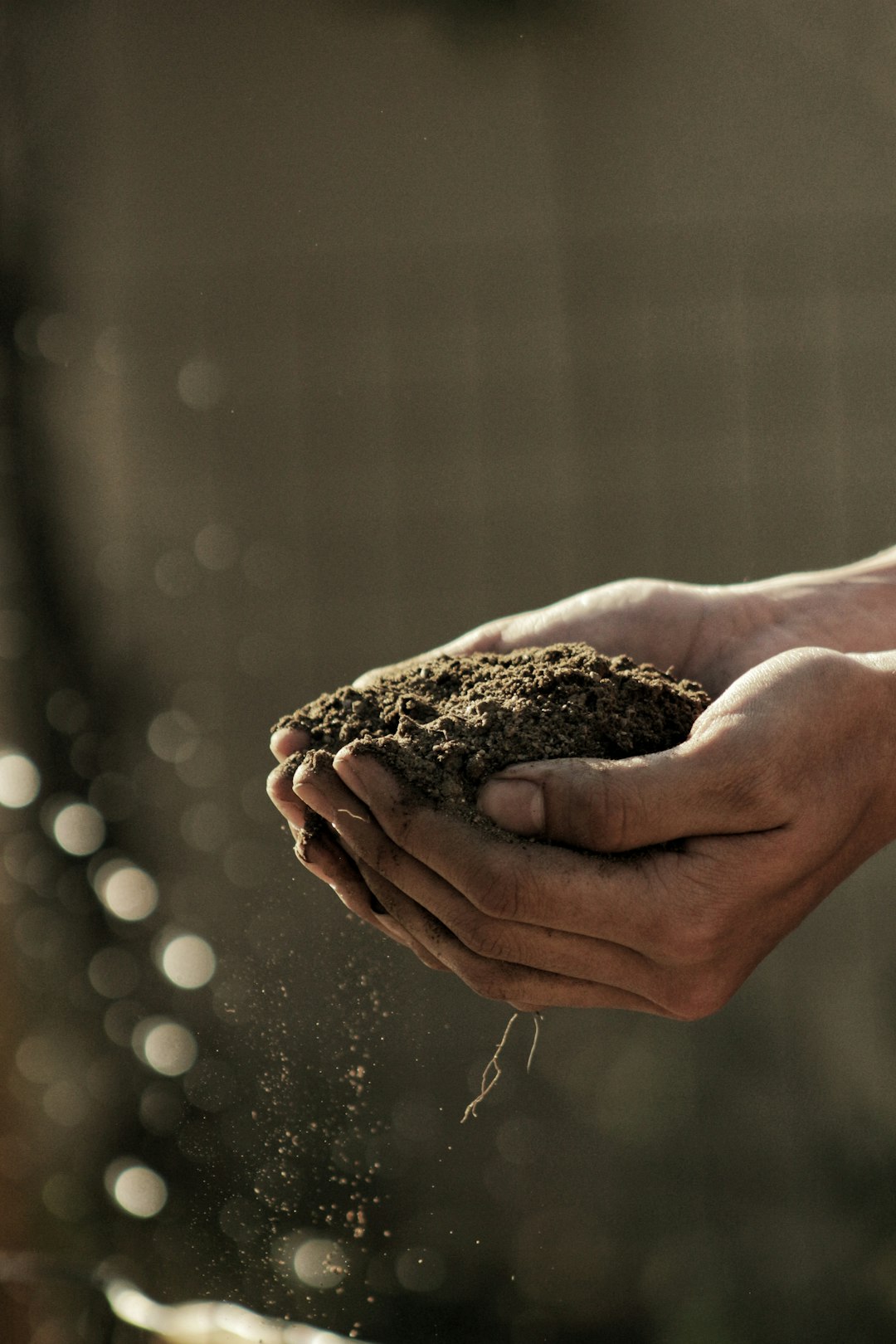
Never use garden soil in containers. Garden soil compacts when confined, restricting air flow to roots and creating drainage problems. Always use potting mix specifically formulated for container growing.
Quality potting mixes balance three essential properties: water retention to keep plants hydrated between waterings, drainage to prevent waterlogging, and aeration to supply oxygen to roots. Most commercial mixes contain peat moss or coconut coir for water retention, perlite or vermiculite for drainage and aeration, and compost or bark for nutrients.
You can create custom potting mix tailored to specific plants' needs. A basic recipe combines 40% peat moss or coir, 40% compost, and 20% perlite. For succulents and cacti needing excellent drainage, increase perlite to 40% and add coarse sand. For moisture-loving plants, increase peat or coir to 50% and add vermiculite for water retention.
Amend potting mix with slow-release organic fertilizer at planting time to provide initial nutrients. Add compost to improve soil structure and provide beneficial microorganisms. Mix in worm castings for gentle, complete nutrition that won't burn sensitive roots.
Best Plants for Container Growing
Almost any plant can grow in containers given appropriate container size and care, but some excel in confined spaces while others struggle. Vegetables bred for compact growth or developed specifically for containers perform best.
Tomatoes are container gardening superstars, with determinate varieties like Patio, Tiny Tim, and Bush Early Girl bred specifically for containers. Cherry and grape tomato varieties also adapt well. Provide at least a 14-inch diameter container with support structures for indeterminate types.
Peppers have naturally compact root systems making them ideal for containers. Both sweet and hot varieties thrive in 12-inch pots. Dwarf varieties like Lunchbox peppers and Mohawk peppers are especially productive in confined spaces.
Lettuce, spinach, and salad greens grow quickly in shallow containers, with roots rarely extending beyond 6-8 inches deep. Succession plant every two weeks for continuous harvest. Their tolerance for partial shade makes them perfect for balconies or patios that receive limited direct sun.
Herbs are perhaps the most successful container plants, with most culinary varieties thriving in pots. Basil, parsley, cilantro, thyme, oregano, rosemary, and sage all perform excellently. Group herbs with similar water and light requirements in the same containers.
Cucumbers need large containers and vertical support but produce abundantly in limited space. Bush varieties like Spacemaster and Salad Bush require less room than vining types. Provide an 18-inch deep container and a trellis or cage for support.
Beans, both bush and pole varieties, adapt well to containers. Bush beans need less space and support, while pole beans produce more over a longer period when given vertical growing structures. An 8-inch deep container accommodates bush beans, while pole beans prefer 12-inch depth.
Carrots and radishes grow well in deep containers that allow their roots to develop without obstruction. Choose shorter carrot varieties like Thumbelina or Paris Market rather than long types that need 12+ inches of depth.
Strawberries are perfect for containers, hanging baskets, and specialty strawberry pots with multiple planting pockets. They produce fruit in less space than most fruiting plants and tolerate container conditions well.
Proper Watering Techniques
Watering is the most critical and challenging aspect of container gardening. Container plants dry out much faster than in-ground plants because their roots can't access moisture from surrounding soil and containers heat up in sun, accelerating evaporation.
Check soil moisture daily during warm weather by inserting your finger two inches into the soil. If it feels dry at that depth, water thoroughly. In hot summer weather, large containers may need watering twice daily, while smaller containers might require even more frequent attention.
Water until it flows freely from drainage holes, ensuring the entire root ball gets moistened. Partial watering wets only the surface while leaving lower roots dry. After watering, discard water that collects in saucers beneath pots to prevent roots from sitting in standing water.
Self-watering containers with built-in reservoirs reduce watering frequency significantly. These containers hold water in a bottom reservoir separated from soil by a barrier. A wicking system draws water upward as plants need it, keeping soil consistently moist without overwatering.
Adding water-retaining crystals or granules to potting mix helps maintain consistent moisture, though they're not a substitute for regular watering. Mulching the soil surface with organic materials like shredded bark or compost reduces evaporation and regulates soil temperature.
Install drip irrigation systems with timers for automated watering if you have many containers or travel frequently. These systems deliver precise amounts of water directly to each pot on a programmed schedule.
Fertilizing Container Plants
Container plants need more frequent fertilizing than in-ground plants because frequent watering leaches nutrients from potting mix and the limited soil volume contains fewer nutrient reserves.
Start with potting mix amended with slow-release organic fertilizer at planting time. This provides baseline nutrition for several weeks to months, depending on formulation. Once plants establish and begin active growth, supplement with liquid fertilizer every one to two weeks.
Organic options include fish emulsion, seaweed extract, and compost tea, all providing balanced nutrition plus beneficial microorganisms. Follow label directions for dilution rates, or use half-strength applications more frequently to avoid nutrient overload.
Watch for signs of nutrient deficiency including pale or yellowing leaves, stunted growth, or poor fruit production. Different deficiencies cause specific symptoms: nitrogen deficiency causes overall yellowing starting with older leaves; phosphorus deficiency produces purple-tinged leaves; and potassium deficiency causes browning leaf edges.
Managing Light Requirements
Container mobility allows you to adjust light exposure by moving plants throughout the day or season. Full-sun vegetables like tomatoes and peppers need at least 6-8 hours of direct sunlight. Position containers on south-facing locations for maximum sun exposure in the Northern Hemisphere.
Partial shade plants like lettuce, spinach, and herbs tolerate 3-6 hours of sun or bright indirect light. These plants often benefit from afternoon shade in hot climates, which containers can easily provide by relocating them during the hottest part of the day.
Rotate containers weekly so all sides receive equal light exposure, promoting balanced growth and preventing plants from leaning toward the sun. This is particularly important for indoor container gardens near windows.
Seasonal Container Care
Container gardens require different care as seasons change. In spring, begin hardening off indoor-started transplants gradually before moving them outside permanently. Protect young plants from late frosts by bringing containers indoors or covering them overnight.
Summer demands vigilant watering and sometimes shade protection for containers in very hot climates. Light-colored mulch reflects heat and keeps roots cooler. Move containers to shadier locations during heat waves if plants show stress.
Fall is ideal for planting cool-season crops in containers. Many gardeners who struggled with summer heat find autumn container gardening much easier. Extend the season by moving containers against warm walls or into protected areas as freezing temperatures approach.
Winter care depends on climate and plants. Hardy perennials in containers need protection from freeze-thaw cycles that can crack pots and damage roots. Group containers together in sheltered locations, wrap them with insulation, or bury containers in the ground for winter. Bring tender plants indoors before frost.
Conclusion
Container gardening succeeds when you choose appropriate containers, use quality potting mix, select suitable plants, and provide consistent care including regular watering and fertilizing. The flexibility and control containers offer make them ideal for beginners and experienced gardeners alike, whether you're growing on a small balcony or supplementing an existing garden.
Start small with a few containers of easy plants like herbs or cherry tomatoes. As you develop your watering routine and learn how your specific plants respond to container conditions, expand your container garden with more challenging plants and creative combinations. The skills you develop will reward you with productive, beautiful plants in any space you have available.